As the electronics industry rapidly advances, so does a critical challenge: the mountains of scrap it leaves behind. Unused, obsolete, and surplus electronic components often end up forgotten in warehouses—or worse, landfills. But in an era where sustainability, ESG compliance, and resource efficiency matter more than ever, the industry is seeing a powerful shift:
Electronic component recovery is going green.
At DRex Electronics, we’re proud to help global manufacturers turn surplus components into a win for both the planet and the bottom line. In this post, we explore how electronic component recovery is moving from a reactive disposal tactic to a proactive sustainability strategy—one that aligns with a greener, circular economy.
The Electronic Waste Crisis: Why It Matters
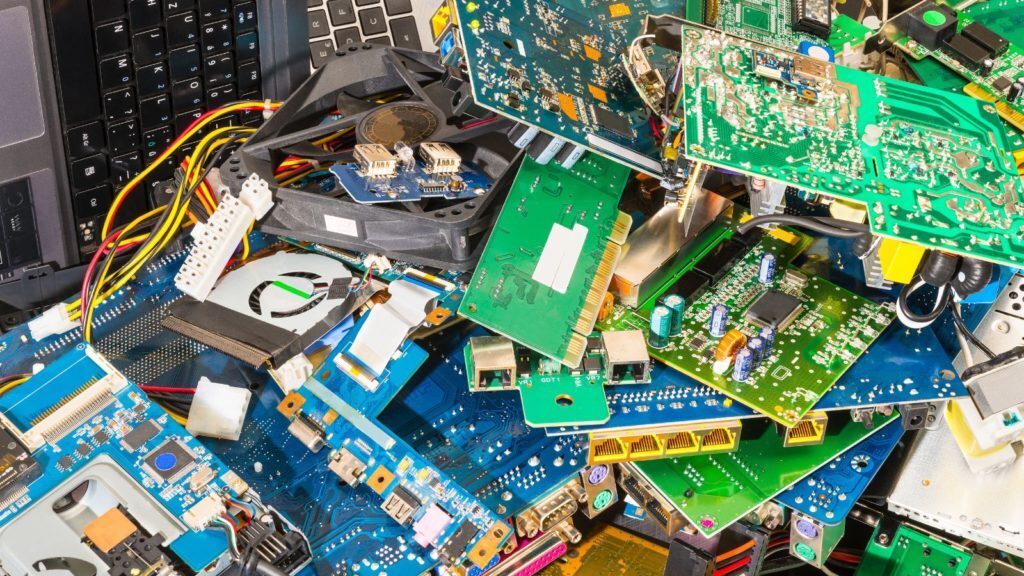
Electronic waste (or e-waste) is the fastest-growing waste stream in the world. According to the Global E-Waste Monitor 2024, the world generated 62 million metric tons of e-waste last year—yet less than 25% was properly collected and recycled.
Key contributors to this crisis include:
-
Unused and excess electronic components
-
Obsolete or discontinued integrated circuits (ICs)
-
Manufacturing scrap from canceled projects or redesigns
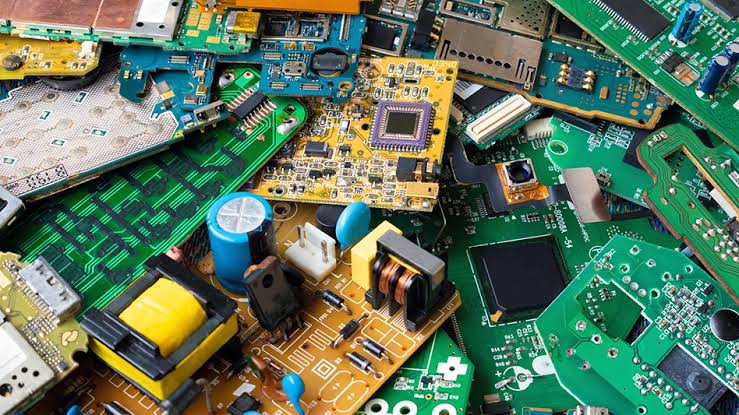
Much of this “scrap” contains toxic substances like lead and mercury, as well as valuable materials like gold, copper, and palladium. Throwing them away is both environmentally harmful and economically inefficient.
What Is Electronic Component Recovery?
Electronic component recovery involves reclaiming, repurposing, reselling, or recycling surplus and obsolete parts—preventing waste and creating circular value. This applies to components such as:
-
Microcontrollers and memory chips
-
Analog and power management ICs
-
Discrete components and sensors
Rather than being discarded as scrap, these parts are tested, verified, and redirected into new manufacturing workflows, secondary markets, or recycled responsibly.
The Environmental Benefits of Component Recovery
♻️ 1. Reduced Landfill Waste
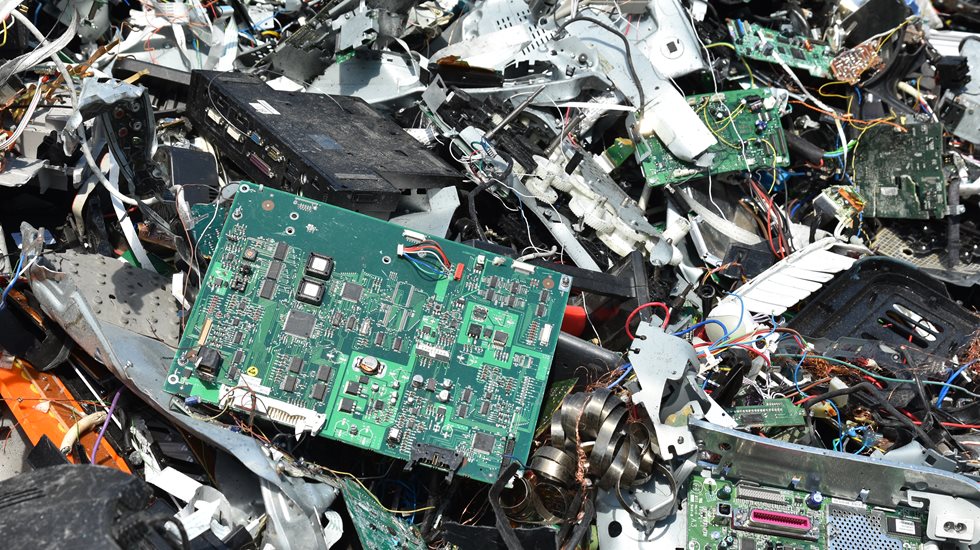
Reclaiming components helps reduce the volume of electronics dumped into landfills, where toxic materials can contaminate soil and water.
🌍 2. Resource Conservation
Recovering and reusing electronic parts preserves finite raw materials, lowering the need for mining and energy-intensive manufacturing.
🌫️ 3. Lower Carbon Emissions
Manufacturing semiconductors is carbon-intensive. Extending the life of components lowers the environmental impact associated with making new ones.
A World Economic Forum report estimates that circular electronics strategies could unlock $110 billion annually in economic benefits while drastically reducing e-waste.
DRex Electronics: Leading the Green Recovery Movement
At DRex Electronics, we help companies shift from a linear supply chain model (“buy, use, discard”) to a circular electronics strategy that recovers value and reduces waste.
Here’s how we make it work:
🔁 Resale and Redistribution
We connect surplus and EOL components with global buyers in automotive, aerospace, telecom, and industrial sectors—keeping components in circulation where they’re still needed.
🔗 Explore Our Component Catalog
🧠 Excess Inventory Analysis
Our team identifies which of your unused components still have market demand and resale potential.
♻️ Certified Recycling
For parts that can’t be reused, we coordinate certified e-waste recycling to safely reclaim valuable materials and prevent hazardous disposal.
📄 ESG-Compliant Documentation
We provide full traceability and reporting, including:
-
Inventory audit summaries
-
Certificates of resale or recycling
-
Chain-of-custody documentation for ESG reports
🔗 Contact Our Recovery Experts
The Role of Recovery in ESG and Circular Economy Strategies
Electronic component recovery is a tangible, measurable way to support ESG objectives and environmental stewardship.
✅ Environmental (E):
-
Reduces raw material extraction and e-waste
-
Supports circular design and sustainable manufacturing
✅ Social (S):
-
Prevents improper and unsafe disposal in developing nations
-
Enables donations to educational programs or nonprofits
✅ Governance (G):
-
Enhances traceability and compliance
-
Supports transparent ESG reporting and audit readiness
Companies that implement recovery programs not only help the planet but also improve their brand reputation, investor appeal, and customer trust.
Real-World Impact: A Case Study
A global telecommunications OEM approached DRex with over 30,000 surplus DSPs and SoCs following a platform redesign.
What we did:
-
Identified 70% of the stock as still in demand across industrial and automotive markets
-
Resold verified parts to qualified global buyers
-
Recycled the remaining 30% through certified partners
-
Provided ESG documentation for internal reporting
Results:
-
Over $500,000 recovered in resale value
-
3.2 metric tons of e-waste diverted from landfill
-
Full traceability and compliance with EU WEEE regulations
Getting Started: Make Your Scrap Part of the Solution
Here’s how to transform your excess inventory into sustainable value:
-
Inventory Audit – Identify what’s surplus, obsolete, or reusable
-
Partner with DRex – We’ll create a tailored resale and recycling strategy
-
Recover & Report – Reclaim value while supporting ESG goals and sustainability reporting
🔗 Schedule Your Free Inventory Review
Final Thoughts
The future of electronics is circular, traceable, and sustainable. As ESG regulations tighten and supply chains evolve, companies that embrace green component recovery will lead the way—financially and environmentally.
From scrap to sustainability, the shift is already happening. DRex Electronics is here to help you be part of the solution.