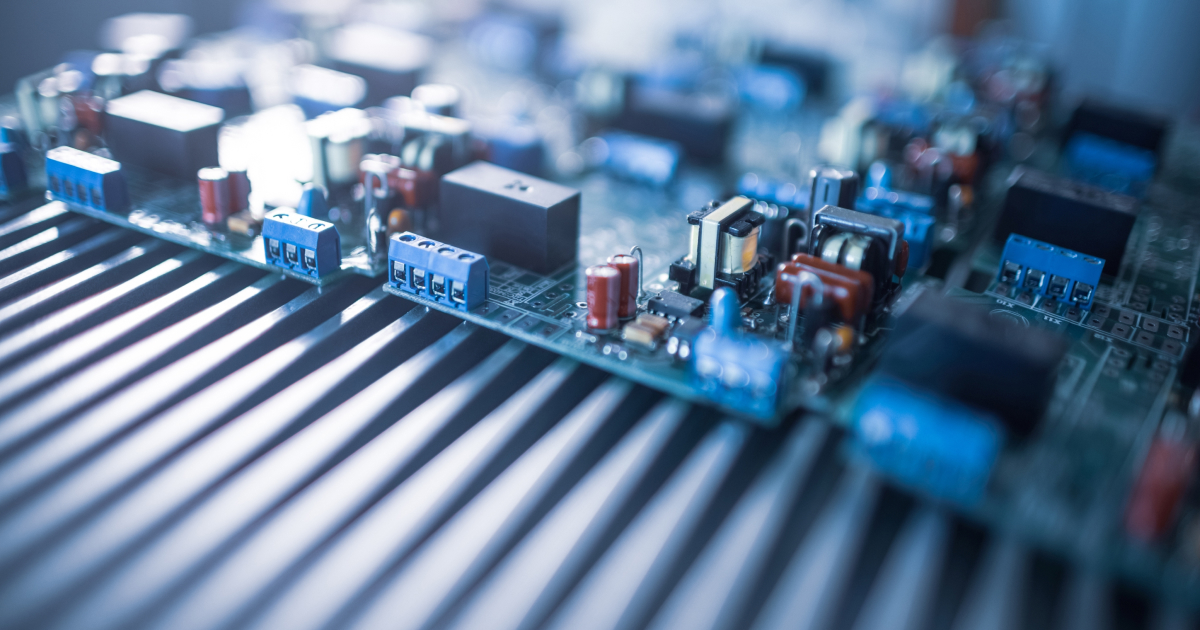

Semiconductor

Hidden Costs of Excess Inventory and How Recovery Solves Them2

Hidden Costs of Excess Inventory and How Recovery Solves Them

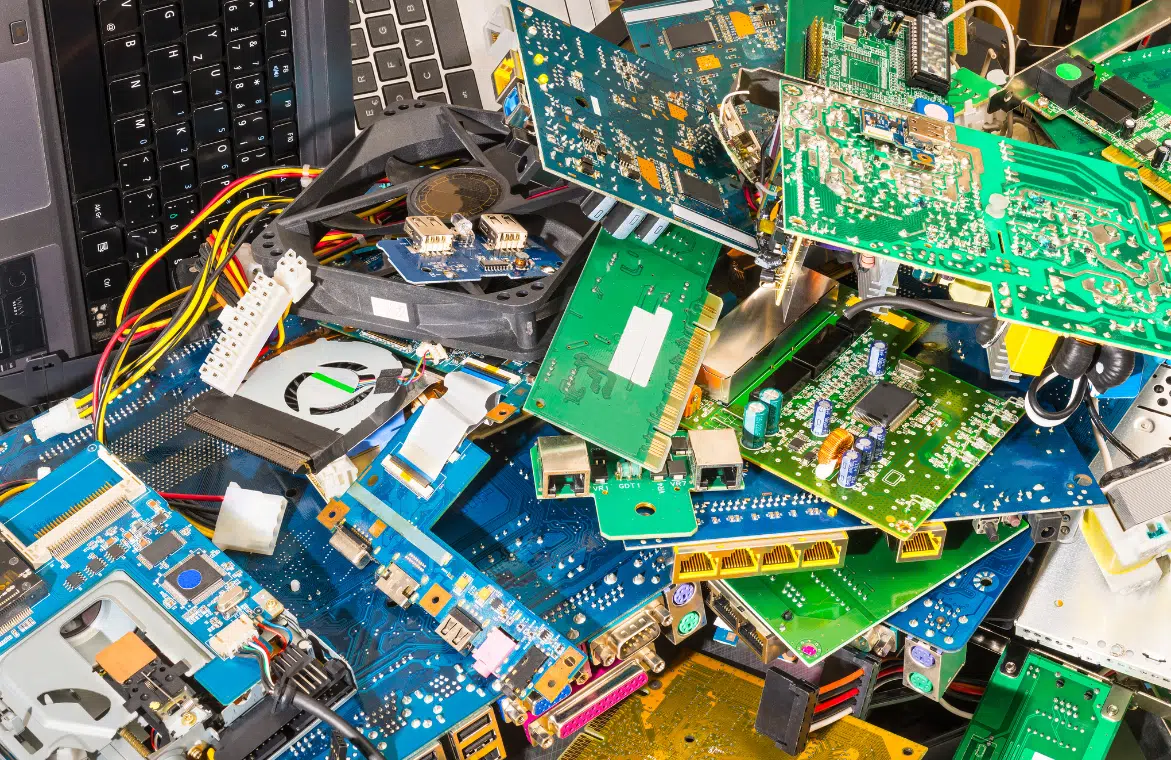
In fast-paced electronics manufacturing, excess inventory is often treated as a minor inconvenience—a problem to be shelved (literally) until “later.” But hidden beneath those stacks of unused components is a ticking financial and operational liability. From rising storage fees to missed revenue opportunities and sustainability setbacks, the real cost of excess inventory is often underestimated.…
Read more
The Global Demand for Electronic Component Recycling Services.

The Global Demand for Electronic Component Recycling Services

In today’s tech-driven economy, the demand for high-performance electronic components has never been greater. But with rapid product turnover, evolving standards, and ongoing innovation, an equally urgent issue has emerged: what happens to outdated, surplus, or end-of-life electronic components? As businesses across the globe grapple with sustainability challenges and tighter environmental regulations, electronic component recycling…

Read more
Battery Management Systems Components Enabling Smarter Energy Storage

Battery Management Systems: Components Enabling Smarter Energy Storage

As the world accelerates toward electrification—from EVs and drones to smart grids and IoT—energy storage has become a strategic priority across industries. Central to this evolution is the Battery Management System (BMS): the intelligent interface that monitors, protects, and maximizes the performance of rechargeable battery packs. Battery Management Systems are not just about safety—they’re about…

Read more
Renewable Energy and the Demand for Robust Electronic Components2

Renewable Energy and the Demand for Robust Electronic Components

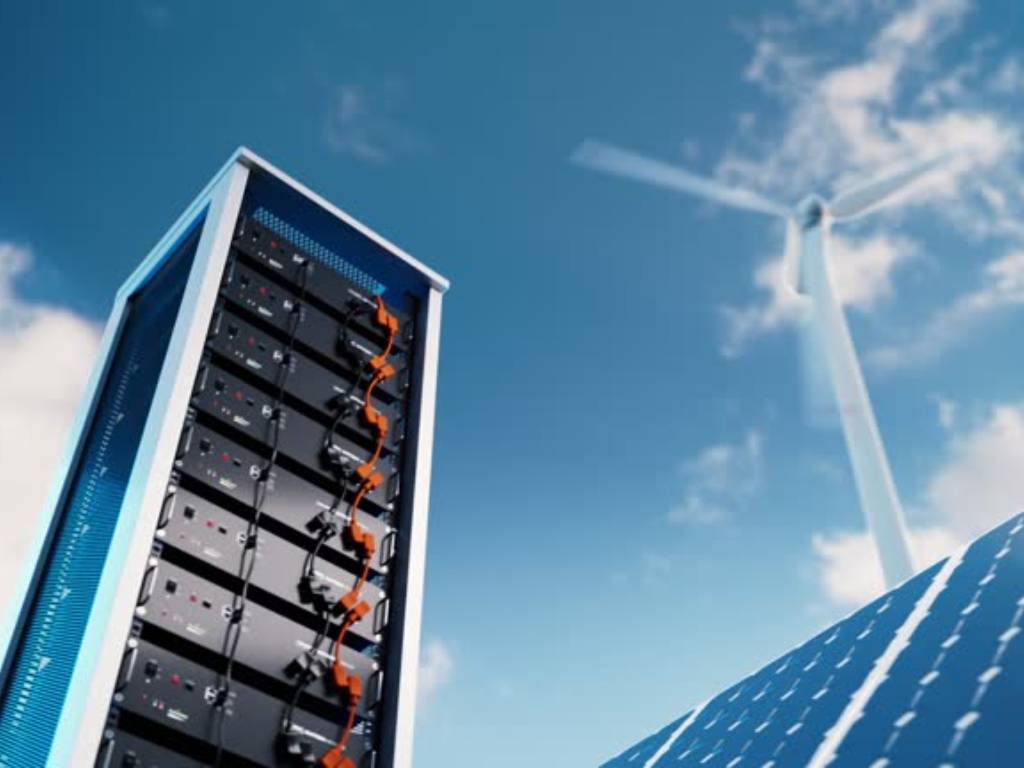
As the global push for carbon neutrality accelerates, renewable energy systems—such as solar, wind, and energy storage technologies—are becoming the backbone of future power infrastructure. This transition isn’t just about replacing fossil fuels; it’s about building resilient, high-efficiency systems that rely on robust electronic components to perform reliably under extreme and variable conditions. At DRex…

Read more
How Component Obsolescence Impacts the Global Supply Chain 2

How Component Obsolescence Impacts the Global Supply Chain

In the fast-paced world of electronics, innovation often outpaces production — and when a critical component is discontinued, the entire supply chain can feel the ripple effects. Component obsolescence is one of the most pressing challenges facing global manufacturers today, impacting industries from aerospace and automotive to telecommunications and consumer electronics. At DRex Electronics, we…

Read more
Sustainable Electronics Recycling and Responsible Component Sourcing

Sustainable Electronics: Recycling and Responsible Component Sourcing

As technology advances, the global appetite for electronic devices continues to surge — from smartphones and EVs to telecom infrastructure and industrial automation systems. But with this rapid innovation comes an urgent question: What happens to all the components when devices become obsolete? For OEMs and electronics manufacturers, building a sustainable electronics strategy is no…

Read more
The Growing Importance of Supply Chain Transparency in Electronics 1

The Growing Importance of Supply Chain Transparency in Electronics

In today’s interconnected and highly competitive electronics market, supply chain transparency is no longer a luxury — it’s a strategic necessity. For OEMs and large-scale manufacturers in industries like telecommunications, automotive, aerospace, and consumer electronics, understanding the full lifecycle and sourcing of components is essential for managing risk, ensuring compliance, and maintaining consumer trust. As…

Read more
Why Electronic Manufacturers Should Partner With Professional Inventory Buyers 1

Why Electronic Manufacturers Should Partner With Professional Inventory Buyers

In the fast-paced world of electronic manufacturing, inventory can quickly shift from asset to liability. Whether it’s due to forecasting errors, product redesigns, or sudden demand drops, excess electronic components are a common and costly challenge. For large-scale manufacturers in industries like telecommunications, automotive, aerospace, and consumer electronics, these surplus components can tie up capital,…

Read more
How AI and Automation Are Transforming Electronic Component Production 2

How AI and Automation Are Transforming Electronic Component Production

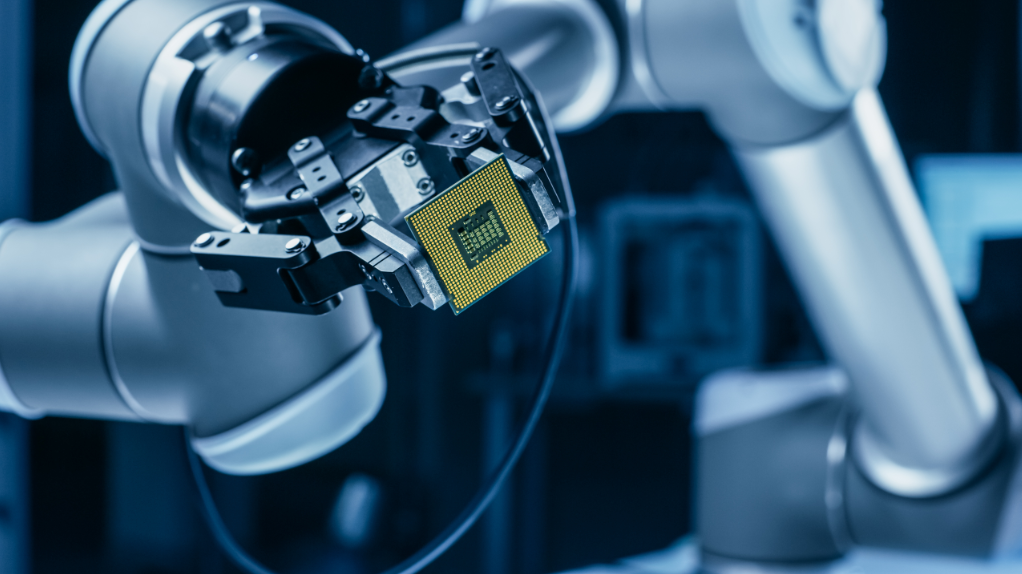
The global electronics industry is entering a new era—one where AI and automation are not just improving productivity but redefining how components are designed, manufactured, and tested. As electronic systems become more complex and demand skyrockets for semiconductors, ICs, and sensors, traditional manufacturing processes are evolving to meet new standards of speed, precision, and efficiency.…

Read more
Top Strategies for Managing Obsolete Components in the Electronics Industry

Top Strategies for Managing Obsolete Components in the Electronics Industry

In today’s fast-moving electronics industry, component obsolescence is inevitable. As semiconductor technology evolves rapidly, many components—especially microcontrollers (MCUs), FPGAs, DSPs, and analog ICs—reach their end of life (EOL) long before the products they power. For manufacturers, this creates a major challenge: how to keep production lines running when parts are no longer available through authorized…

Read more